
AAC for Fragile X Syndrome: Planning for Communication Access

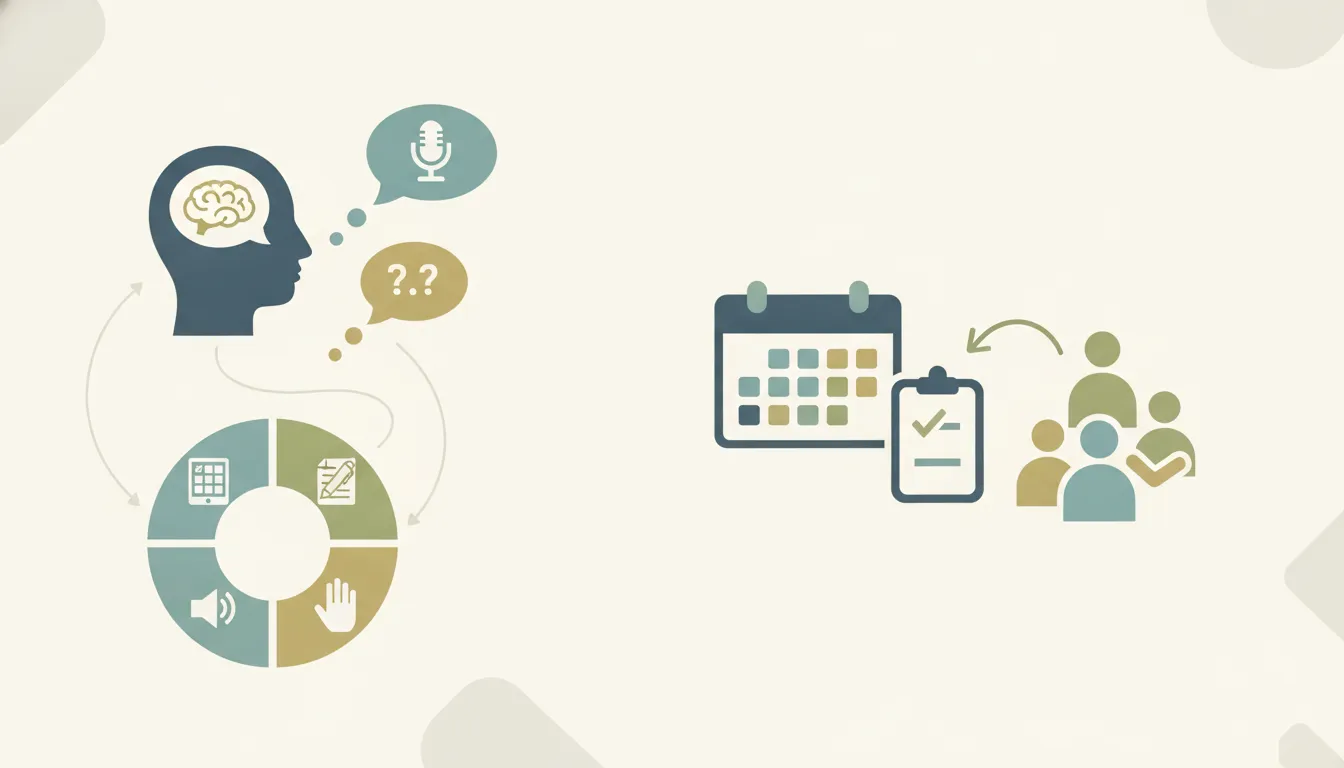
Planning AAC for fragile X syndrome starts with an individual's communication, not a presumed ability level or a particular device. People with fragile X syndrome have varied strengths, preferences, and support needs. A careful plan asks what the person wants to express, how they can access communication, and what partners can change so messages are available throughout the day. AAC, or augmentative and alternative communication, may supplement speech or provide another way to communicate. It can include gestures, signs, pictures, writing, communication boards, or a speech-generating device.
What should AAC planning for fragile X syndrome take into account?
A diagnosis can be useful context for a team, but it does not identify a single communication profile or prescribe an AAC system. One person may use speech effectively with familiar people and benefit from another method when a conversation is fast, a setting is noisy, or a message is hard to put into words. Someone else may use a communication system for many interactions. Another may combine several ways of communicating throughout a day. All of these possibilities call for observation of the individual, rather than conclusions drawn from a label.
Start with the person's current communication in its broadest sense. Notice speech, vocalizations, facial expressions, gestures, body movements, signs, pointing, writing, and selections on a device or board. Ask the people who know the person well what these actions usually mean, while checking with the person directly whenever possible. A behavior can be communicative, but partners should not assume they know its meaning without looking for reliable ways to confirm it.
Also separate a person's ability to understand a message from the method they can use to answer. A person may understand more than they can say in a particular moment, or may have an idea but need extra time, a different access method, or a more familiar partner to express it. Instead of using a quick response as the sole measure of understanding, offer a clear choice, wait, and allow a response in more than one form.
The National Fragile X Foundation's language resource describes communication supports as a range of modalities, including signs and picture-based approaches. It is background for conversation, not a rule about what any one person with fragile X syndrome should use. An individualized plan is built with the person's priorities and observations from everyday life.
How can the team choose goals that matter to the person?
Goals are most useful when they describe something the person wants to do or a barrier partners can reduce. Before choosing vocabulary or equipment, ask what the person wants to be able to communicate in a day, a week, or a familiar activity. Include the person's views using their established communication methods; if they need support to express a preference, make sure the team offers real choices and enough time to respond.
Which people, activities, places, and topics draw the person's attention?
What does the person already communicate successfully, and how do partners know?
Which messages are difficult to share with the current methods?
How does the person indicate yes, no, stop, wait, help, discomfort, or a wish for a break?
When would the person like to start, continue, or leave an interaction?
What communication opportunities occur at home, school, work, appointments, and in the community?
What should a partner do if the message is unclear or the system is unavailable?
Include many purposes for communication, not only getting an item or activity. A person may want to greet someone, comment, tell a story, ask a question, disagree, make a joke, share information, repair a misunderstanding, or take part in a decision. Everyday self-advocacy matters too: a system can make it possible to say that a choice is unwanted, ask for privacy, indicate pain or discomfort, request a pause, or explain that a partner has misunderstood. Partners should take those messages seriously and avoid making continued access to an activity depend on compliance.
Translate broad hopes into observable opportunities without turning communication into a performance quota. “Communicate more” is hard to evaluate. A more useful plan might say: during a shared cooking activity, the person has an accessible way to choose an ingredient, comment, refuse, or ask for help, and partners pause long enough for their response. This describes the setting, several valid purposes, and partner actions. It does not demand a fixed number of device selections or require speech to disappear.
Goals may differ by setting. At home, the person might want to direct a familiar routine or talk with a sibling. In a classroom, they may want to ask a question, make a choice, or contribute to group work. In the community, they may want to greet a cashier, tell a companion what they prefer, or ask where to go. Make sure a goal describes the person's opportunity and not only what adults want them to do. Review it if the person's interests or routines change.
How do you examine access before selecting a communication tool?
Access is the way a person makes a selection or communicates a message. Direct touch is one option, but not the only one. Depending on the individual and the task, a person may use pointing, gestures, a printed board, a switch, eye gaze, partner-assisted selection, or another method. A speech-generating device can be useful for some people, but equipment is only one part of access. The plan must account for how the person can see, reach, indicate, and use the system in places where communication matters.
Observe more than one activity and more than one position. At a table, a person may have support for a device that is not available while walking, reclining, or riding in a vehicle. Notice where a board or device sits, whether the person can see it without strain, and whether it stays within reach. Ask whether the communication method is still available when a partner is helping with another task. Check practical factors such as lighting, background sound, screen glare, seating, mounting, and the distance between the person and the communication partner.
Consider both accuracy and effort. Can the person select a target consistently? How much time do they need? Do they have to reposition between selections? Does the method continue to work when a routine changes or the person is tired, excited, uncomfortable, or in a busy place? A brief demonstration in a quiet room can answer only a few questions. The team should also see how access works in meaningful routines and adjust observation conditions so a person's unfamiliarity with a tool is not mistaken for inability.
Ask the person what feels comfortable. Offer opportunities to explore without requiring every selection to be correct or immediately useful. Some people may want to use one method for a quick choice and another to compose a longer message. Keep communication supports available while considering alternatives; removing a familiar method during an assessment can prevent the person from expressing what they know or prefer.
A speech-language pathologist (SLP) and other assistive-technology professionals can help evaluate communication, access, and possible equipment. Family members, educators, and support staff contribute observations about daily routines and what happens outside a formal session. The person should be central to that discussion. Record what each observer saw, including the activity, position, partner, system, wait time, and any environmental changes, rather than relying on a general impression such as “it worked” or “it did not.”
How should the team think about language and layout?
A communication system needs language the person can use for genuine interaction. Depending on the person's access, preferences, and current skills, that may involve pictures, written words, letters, or a combination. A small set of familiar choices can be helpful in a specific routine, but a system should not leave the person with only a few scripted answers if they need to communicate new ideas. Ask how the person can express something that was not anticipated by a partner.
Review vocabulary with the person and people who know their daily life. Consider names of important people, activities, favorite topics, places, and objects, as well as words for everyday interaction. Make sure there are ways to say “no,” “not that,” “wait,” “I don't know,” “help,” “finished,” and “I need a break.” Include words to ask questions, comment, describe, direct, and repair communication. Vocabulary for self-advocacy should be easy to reach; it should not be available only after navigating through several layers or asking an adult to unlock it.
Personal vocabulary is important, and so is room to build messages beyond a set of nouns or requests. During a shared activity, someone might want to say “that is funny,” “I want another one,” “you do it,” or “I changed my mind.” A team can identify a few such possibilities in advance and check whether the system makes them feasible. That exercise often reveals gaps in vocabulary or layout that are not apparent when the system is tested only with yes-or-no questions.
Layout affects access and learning. The position, size, and number of targets can matter, as can the consistency of where words are found. Changing a layout casually may make familiar messages harder to locate. If the team sees a reason to change a feature, document the reason, tell the people supporting the person, and observe what happens afterward. Make changes in a coordinated way and preserve access to familiar language during the transition where possible.
There is no one vocabulary set or layout for everyone with fragile X syndrome. Review the person's current communication, the places where they use it, and whether the system supports new messages as well as familiar ones. Forbes AAC has information about AAC communication boards as one resource to consider. A board is an option to explore with the person and team, not a recommendation for every individual.
What does useful modeling look like in an ordinary routine?
Modeling means that a communication partner uses the person's system while speaking or interacting. A partner might say “more?” during a snack and point to or select the corresponding message on a board or device. The person can watch without being expected to copy the action straight away. Modeling shows how messages can work in a real exchange and gives the person a chance to notice language at their own pace.
Keep modeling natural and connected to what is happening. Choose one or two useful messages instead of navigating through long sequences while the activity moves on. Leave the system in a position where the person can reach or see it. Pause at a point where a response could fit, and allow enough time for the person to act. A pause is an invitation, not a test. If the person does not respond, continue the interaction respectfully rather than repeating a demand or withholding the next part of a pleasant activity.
Model different reasons to communicate. During a game, a partner could say “your turn,” “I like that,” or “again.” While getting ready to leave, they might model “wait,” “where,” or “help.” While looking at photographs, a partner could comment, ask a genuine question, or help the person name someone. Use messages that fit the moment and the person's interests, not a predetermined lesson that takes over the activity.
Respond to what the person communicates, including an attempt that is not a perfect match to a programmed phrase. If the person selects “music,” a partner might say “You want music” and model “play music” without asking for repetition. If the message is uncertain, offer a short clarification such as “Do you mean this one?” and make it easy to confirm or reject. Watch the person's response rather than treating a partner's guess as proof.
All communication attempts deserve attention. Speech, gesture, movement, facial expression, signs, and device selections may work together. Partners can acknowledge the attempt, describe what they understood, and give the person a way to correct it. Do not insist that the person use a device when another method is working for them, and do not assume that speech means the AAC system is no longer useful. The purpose is mutual understanding and participation, not a particular mode of output.
How can a team build practice into routines without adding a burden?
Communication practice need not be a separate session for every family or classroom. Choose routines that already happen and identify where the person has a meaningful reason to communicate. A routine should include genuine choices and an opportunity to refuse. If an adult asks a question but has already decided what will happen, the person has little reason to communicate a preference. Change the routine so a message can make a real difference.
Mealtime example: Put a few familiar items within view and make sure the person can access messages for choosing, refusing, requesting help, commenting, or being finished. A partner can model a word while serving food, then pause. The person may point, speak, gesture, or use AAC. If they choose a different item than the adult expected, honor the choice when possible. Do not keep offering the same question after the person has answered or make food contingent on a device response.
Shared-interest example: During a favorite book, video, craft, or game, keep relevant words available for comments and directions, not just requests to continue. A partner can model “funny,” “skip,” “look,” “my turn,” or a person's own topic. Let the person change the activity or take a break. A familiar interest gives partners a natural way to follow the person's lead, but it should not become a reason to quiz them about every page or turn.
Transition example: Before leaving a familiar place, show what is changing and offer messages for “wait,” “not yet,” “where,” “help,” or “finished,” if those fit the person's system. Allow a way to ask for more information or express a concern. A visual schedule may help some people understand a routine, but it is not a substitute for access to communication or a guarantee that a transition will be easy. Observe what helps this individual and adjust the supports with them.
Community example: For an outing, check that the communication system is charged or that a paper backup is available, then consider how the person will access it while moving or seated. The companion can model a greeting or a choice without speaking over the person. If an unfamiliar person asks a question, give the AAC user time to answer and avoid answering automatically on their behalf. A partner can explain the communication method briefly if the user wants that support.
Keep the goal modest enough to sustain. Pick one or two routines, agree on one partner action such as pausing or modeling a relevant message, and review what happened. A plan that works on ordinary days is more useful than a long checklist that is hard to maintain. Add other routines when the person and team find a reason to do so.
How can communication partners coordinate across settings?
A communication system is most useful when it is available where the person wants to communicate. Families, educators, SLPs, and other support people can agree on practical arrangements: where the system is kept, how it is carried, who checks charging, what backup is available, and how a message is acknowledged. Consistency does not require every partner to speak or model in exactly the same way. It means that the person can find familiar language and receive respectful responses.
Make a short partner guide together with the person. It can explain how the person indicates a choice, whether they need extra time, how they indicate yes or no, and what to do when a message is unclear. Include preferences about prompting: for example, whether the person likes a partner to model a message, point to a choice, or simply wait. Add notes about how to make the system physically available in a particular setting. Keep the guide practical and revise it when the person's preferences change.
Agree on responsibilities rather than assuming someone else will take care of them. Who updates vocabulary? Who checks that the system is present before an outing? Who tells the school or home team when access is difficult? Who contacts the SLP about a recurring barrier? These arrangements should fit the person's life and not place all of the work on one caregiver. Where possible, include the AAC user in decisions about what is changed and who receives information.
Use specific observations when sharing updates. “They did not use the device” does not explain whether it was within reach, whether there was a reason to communicate, whether the person had time, or whether the messages they needed were available. A more useful note might say: “During the art activity, the board was on a shelf across the room. After it was placed beside the person, they pointed to a color and later used speech to ask for scissors.” That gives the team a practical next question about placement and access.
When several systems are in use, clarify how they relate to one another. If a person has a device at school and a board at home, ask whether each has the messages they need in that setting and what happens when the preferred method is not available. The aim is not to make every communication aid identical. The aim is to prevent a person from losing the ability to communicate because a familiar device is charging, being repaired, or left in another room.
What should a device or system trial help the team learn?
A trial is more informative when the team begins with questions, rather than a general hope that a device will work. Select a few questions tied to the person's goals and everyday environment. For example: Can the person reach the system at the table and while seated in a preferred chair? Can they find a message to refuse as well as one to request? Can a partner model without taking control of the exchange? Is the system manageable to carry between the places where the person communicates?
Write down what counts as useful evidence. If the goal is to participate in a shared activity, note whether the person could make a choice, add a comment, direct a partner, or leave the activity. Record what communication methods they used, how long they needed, what the partner did, and which messages were missing. Include successful moments and barriers. Avoid scoring a trial only by the number of independent selections: that can overlook partner support, the person's other communication, and whether the message changed what happened.
Try the option in more than one ordinary routine and with more than one familiar partner. A quiet one-to-one demonstration may not show whether the person can access the system during a group activity or when the partner is across a table. At the same time, do not interpret difficulty in an unfamiliar setting as evidence that the person cannot use the system. Ask whether the system was positioned well, whether the person knew what choices were available, and whether the communication partner gave enough time.
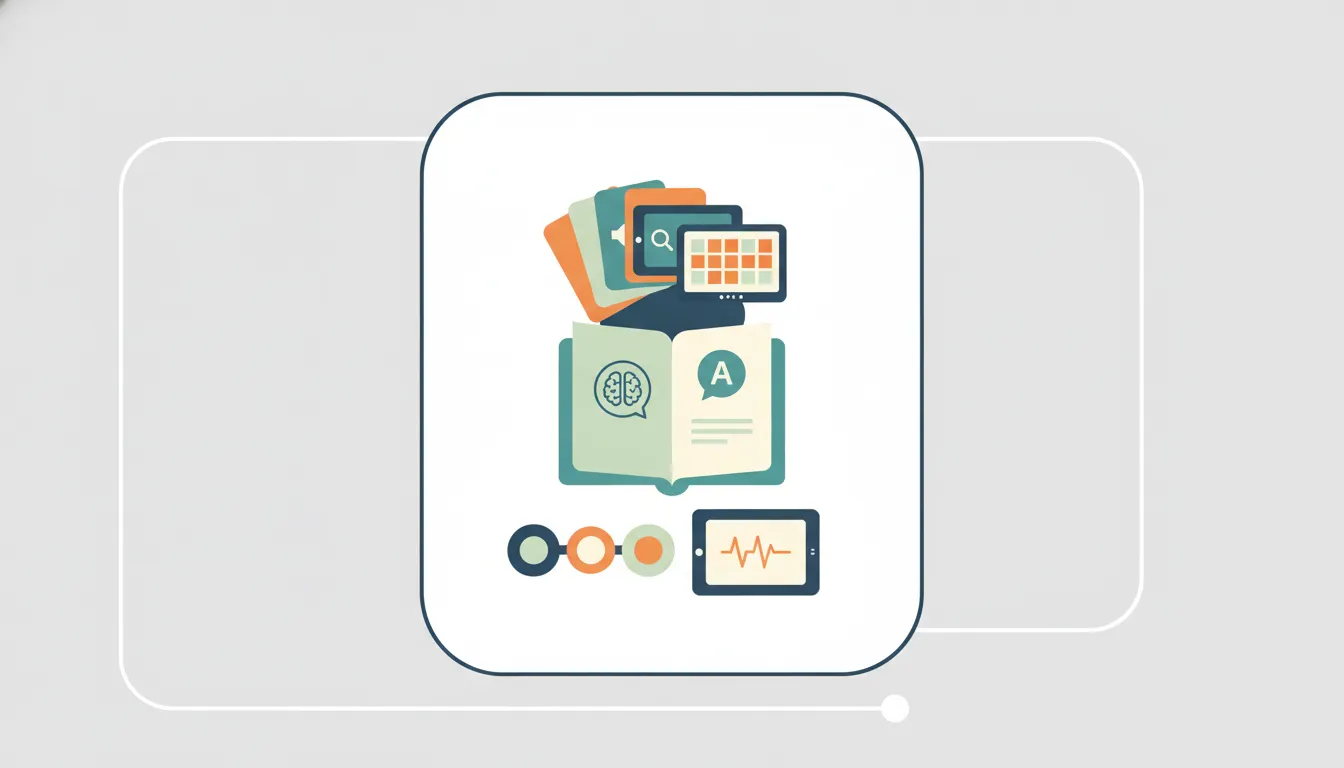
Compare each option against the same set of needs. A printed board might be quick to put on a table and require no charging, while a speech-generating device might provide voice output or a broader vocabulary; actual benefits depend on the setup and the person. A person may need both. The point of a comparison is not to declare one format universally better but to see which features support the person's communication goals, access, portability, and partner collaboration.
Forbes AAC describes distinct pathways for equipment evaluation and trials. A licensed SLP may borrow equipment for sessions, with the device staying with the SLP; the standard term is up to four weeks and availability or accessories can vary. A home trial is initiated by the user's SLP only after an insurance benefits check. The timing for a trial code follows coverage confirmation; it is not a promise of delivery within a set time. The device trial information explains these pathways. A trial is an opportunity to gather information, not a guarantee of suitability, funding, or a specific outcome.
What practical notes make an AAC plan easier to use?
A compact planning record can help a team turn broad discussion into next steps. It need not be a formal test or a new paperwork burden. For each priority, note the situation, what the person is trying to communicate, their usual ways of communicating, what support is already helpful, and what the team still needs to learn. Record the person's own preferences in a way they can review. If the team is unsure whether an expression means “yes,” do not label it as yes simply because that interpretation is convenient; agree how to ask and how to offer a chance to correct the interpretation.
A useful record might say: “At the library, the person looks toward the exit and says ‘home’ when ready to leave. The companion can confirm by asking whether they want to go now or after one more book, while showing both options. The communication system should be reachable in the chair, and the person needs a way to say ‘now,’ ‘later,’ or ‘different.’” This kind of description connects a goal to context, access, language, and partner behavior. It also gives the team a concrete way to review whether the support helps.
Separate observations from interpretations. “Moved hand toward the board after partner paused” is an observation. “Was motivated to use AAC” is an interpretation. Both may be worth discussing, but the distinction helps a team avoid turning a guess into a fact. Include what happened before and after an action, since context can clarify meaning. Note whether the person had a chance to respond, if the system was in view, and how the partner acknowledged the attempt.
Keep records respectful and private. Share information with the people who need it to support communication, and ask the person how they want others to know about their system. A one-page communication profile can be more useful than a long file no one checks. It might explain how the person communicates, what helps them access a system, what partners should avoid, and how to respond if a message is unclear. Make sure the profile does not reduce the person to a diagnosis or present a preference as a permanent rule.
How can a team reason through common planning scenarios?
When speech works sometimes but not always: Do not make the person choose between speech and AAC. Identify the circumstances where another method is helpful, such as a long message, an unfamiliar partner, or a time when the person would like to communicate without speaking. Keep the system accessible and respond to speech and AAC alike. Ask whether the person wants to use both at once or switch methods in a particular interaction. A partner can model an AAC message while speaking naturally, without demanding that the person repeat it on the device.
When the person seems to understand but does not answer quickly: Examine the pace and format of the exchange before concluding that the person has no answer. Ask one clear question, provide accessible choices when appropriate, and allow the person's usual response time. Avoid stacking several questions or rephrasing rapidly while the person is preparing a response. A partner can say what they understood and wait for confirmation, correction, or another message. If a choice is important, make sure “neither,” “not now,” or another appropriate response is available.
When partners disagree about the meaning of an action: Treat the disagreement as a reason to gather better information, not as a reason to ignore the person. Compare observations across routines and partners. Offer ways for the person to confirm or reject likely meanings, and pay attention to what happens after the partner responds. If the person appears distressed or repeatedly tries to change the interaction, pause and reconsider the interpretation. The team can document what is known and what remains uncertain instead of presenting one partner's reading as definitive.
When a system is present but rarely used: Check whether the person has a real reason and opportunity to communicate with it. Is it in reach? Does it contain the messages needed for the current routine? Do partners use it themselves, or only bring it out to ask questions? Is the person allowed enough time? Does the system require a motor action or navigation path that is difficult in that position? These questions reveal whether the issue is access, vocabulary, interaction style, or something else. Do not assume low use means the person has rejected all AAC.
When the person wants a message that is not available: Acknowledge the attempt and help the person repair the message. Offer a broad way to add or clarify meaning, such as a way to combine words, spell, point to a related idea, or indicate that the partner should keep guessing, depending on what is accessible. Make a note of the missing message and discuss a lasting vocabulary change with the team. Avoid adding every possible word without considering how it will be found; organize new language so useful existing messages remain accessible.
How can partners provide support without taking over?
Support should make it easier for the person to communicate, not turn the partner into the author of every message. Ask before moving a device, selecting a message for the person, or speaking on their behalf, unless immediate safety requires a different response. When a partner offers a choice, make both options genuine and include a way to reject them. Avoid physically guiding the person's hand to select a message as though the selection were theirs. If the person accepts help, make clear what the partner did and check the resulting message with them.
Prompting can be helpful when it is wanted and carefully chosen, but repeated prompts may crowd out communication or make the person feel tested. Start with the least intrusive support that helps: make the system available, model a relevant message, pause, and observe. If more support is needed, offer it in a way the person can refuse. Note which prompts helped and which seemed to interfere. The team should be prepared to reduce prompts when the person is communicating, rather than continuing a prompt sequence automatically.
Partners can also plan for moments when they do not understand. A useful repair routine is to acknowledge the attempt, state the part that is clear, offer one concise possibility, and wait for the person to accept, reject, or add information. For example: “I heard ‘outside.’ Do you want to go out, or are you telling me what you saw?” The person should have a way to indicate “neither” or “try again.” If the message remains unclear, say so respectfully and agree on another opportunity to revisit it; do not pretend to understand or repeatedly ask the same question.
Make space for the person's communication in group conversations. Partners can introduce a pause after asking a question, direct a question to the person rather than the companion, and resist filling every silence. In a group, identify where the system will be placed and how the person can signal that they want a turn. A communication partner may help relay a message when the person wants that assistance, but should not assume the role of spokesperson by default. Ask the person what kind of help they prefer for familiar and unfamiliar listeners.
How should privacy, choice, and dignity shape AAC planning?
Communication access includes the ability to share information selectively. A person may want support to talk with a trusted partner but not want every message explained to a group. Ask who may help update or carry a system and which communication details the person wants shared. A partner guide should provide enough information to support access without exposing personal messages or private history that is not needed for the task.
Respect refusals, changes of mind, and requests to stop. If someone selects a preferred activity and later indicates they are finished, the later message matters too. Do not treat AAC as successful only when it produces the answer an adult expects. Make sure the person has a practical way to decline a prompt, pause a conversation, or express that they do not know. This is especially important when communication is being practiced in routines controlled by adults.
Consider the person's age, relationships, and desired tone when choosing examples and vocabulary. A communication system should be suitable for the person who uses it, not merely convenient for a partner. Ask whether messages support conversations with peers and adults, topics the person cares about, and ordinary choices that reflect their preferences. Avoid assuming that a person wants a particular activity or style of interaction because of their diagnosis or age. Let the individual guide what belongs in their communication life.
Choice also applies to trials and changes. Explain an option in a way the person can understand, give them a chance to explore, and notice whether they want to continue. When a system is being adjusted, preserve a familiar way to communicate and let the person comment on what feels easier or harder. These steps do not require the person to make every technical decision; they recognize that their experience is essential evidence for the team.
How can a family or classroom begin a manageable communication plan?
Start with a small planning cycle rather than trying to change every routine at once. First, choose one activity the person enjoys or needs to navigate. Ask what they might want to express there, including a choice, refusal, comment, request for help, or signal to pause. Next, identify the methods already available and what could make them easier to access. Agree on one partner action, such as keeping the board within reach or modeling a relevant message. After several opportunities, review what the person communicated and what partners learned. Then decide together whether to keep the approach, adjust it, or try another routine.
For example, a family might choose a regular walk. Before leaving, the person can access messages for “go,” “wait,” “different route,” “stop,” and “look,” if those words fit their system. The companion checks where the system can be carried and reached without interrupting movement. During the walk, they model only when a message naturally fits and let the person direct attention or change the plan. Afterward, the family notes whether the system stayed accessible, whether the person had a meaningful way to make choices, and whether any important message was missing. This is more informative than deciding whether the person used the device “enough.”
A classroom can use the same reasoning without making a student perform communication for a data sheet. Before a group project, the team can identify ways to choose materials, contribute an idea, ask for clarification, indicate disagreement, or request a break. The system should be positioned so the student can participate when classmates are speaking, not placed somewhere that requires an adult to retrieve it each time. A staff member can model a few relevant words while working alongside the student. A brief review can then focus on access and participation: Did the student have a turn? Could they respond to a peer? What would make the next activity easier?
Make the routine flexible enough for low-energy or busy days. Communication access should not depend on completing a lesson or following a rigid practice schedule. Partners can keep a compact backup board in a familiar place, agree on who carries it on an outing, and make a charging check part of an existing routine. If an activity becomes stressful, prioritize the person's message and comfort over finishing the planned exercise. A plan is useful when it helps the person communicate in real life, including when plans change.
What should teams ask when reviewing an AAC system's practical fit?
Think through the full path from the person's intention to the partner's response. Can the person locate the system when they want it? Can they open or position it without waiting for an adult, or is another support needed? Are the buttons, symbols, or words distinguishable in the setting? Can a partner hear or see the message? Does the person have a way to correct a wrong selection? A feature that appears small in a product demonstration can determine whether communication is workable at lunch, in a group, or while traveling.
Consider reliability and backup as part of access, not as an afterthought. A device may need charging, a mount may need to be in place, and a paper board may be useful when equipment is unavailable. Decide who checks each practical detail and where a backup will be kept. If the person uses more than one communication method, make sure others know that the alternate is available and how to present it without taking control. A backup should preserve useful language, not reduce the person to a yes-or-no response when richer messages are possible.
Review how a system works with the person's environments and relationships. A person may use different language with family, classmates, coworkers, or unfamiliar community members. That does not mean their communication should be limited to a set of partner-specific scripts. Ask whether the system supports personal topics and new messages, and whether the person can communicate privately when they choose. If a technical feature or accessory is being considered, confirm its compatibility with the specific device configuration rather than assuming every component works together.
Write down the unanswered questions and who will follow up. An SLP may review communication goals and access; an assistive-technology specialist can answer configuration questions; family or school partners can observe routines and keep the system available. The roles can overlap, but the person should not be asked to solve a technical issue alone. Check information with the relevant professional or provider rather than treating general product descriptions as an individualized recommendation.
How can the team tell whether the plan needs to change?
Set a review point with the person and partners, then ask whether communication is easier in the situations that matter. Can the person express more of what they want? Are they able to refuse, ask for help, share a thought, or repair a misunderstanding? Is the system available at the right time? Do partners recognize and respond to communication attempts? Are there routines where the person wants more choice or independence? These questions look at participation and access rather than just device use.
If something is not working, identify the barrier before replacing the entire system. The device may be out of reach, difficult to position, or unavailable when needed. The vocabulary may not include a relevant message. A layout change may have made a familiar word harder to find. Partners may be asking rapid questions, prompting too often, or interpreting silence as a refusal. The activity might not offer a meaningful reason to communicate. Each cause calls for a different response, so careful observation prevents unnecessary changes.
Try one adjustment at a time when practical. Move the system to a reachable position, make a backup board available, model a small number of relevant words, or agree on a longer pause. Tell the people supporting the person what changed and why, then observe whether communication improves. If the change creates a new difficulty, revisit it. The person should have a way to express a preference about the adjustment whenever possible.
Communication needs, routines, and interests can change over time. A system that works for a familiar activity may not meet the person's needs in a new setting. A successful week does not show that support is no longer needed; a difficult day does not mean the person cannot benefit from AAC. Review plans with flexibility, and keep methods that work while trying changes that address a specific barrier.
What this overview is—and is not
This article is general information, not medical advice, a diagnosis, or an individualized AAC assessment. It does not prescribe a communication method, device, or expected outcome for a person with fragile X syndrome. The person, their chosen supporters, and qualified professionals should consider individual goals and observed access needs. Product descriptions do not determine clinical suitability by themselves.
AAC does not require speech to stop, and a person should not have to demonstrate readiness or master a prerequisite skill before partners make communication supports available. AAC may supplement existing speech or provide another way to communicate when speech is unavailable or does not meet a person's needs. Let the person use different methods in different situations and respond to all of their communication attempts.
Frequently asked questions
Does fragile X syndrome mean someone needs a particular AAC device?
No. People with the same diagnosis can have different communication priorities, access needs, preferences, and daily routines. Observation and individualized assessment can help the team consider options. A diagnosis alone does not identify which device or communication method is suitable.
Should AAC be considered only when a person does not speak?
No. AAC can supplement speech or offer another means of communication in situations where speech is difficult or insufficient. The person may use speech, gestures, signs, a board, or a device in different combinations and contexts.
What can family members do at home?
Keep the person's communication methods available, model useful messages naturally, allow time for responses, and acknowledge communication in any form. Offer real choices, respect refusals, and share specific observations with the SLP and other team members.
How should a team compare AAC options?
Start with the person's goals and access needs. Try options in meaningful everyday settings, record what helps and what gets in the way, and include the person's preferences. A trial provides information; it does not guarantee a particular device, funding, or outcome.
Does a device trial mean a family can keep the device at home?
Not necessarily. Evaluation loans and home trials follow different processes. Forbes AAC states that an SLP loan remains with the SLP, while a home trial is initiated by the user's SLP after an insurance benefits check. Confirm current eligibility and details with the relevant professional or specialist.
Good AAC planning keeps the person's priorities at the center, gives partners practical ways to make communication accessible, and remains open to change as the person's life and needs evolve.

Comments