
AAC for Williams Syndrome: Communication Support Questions

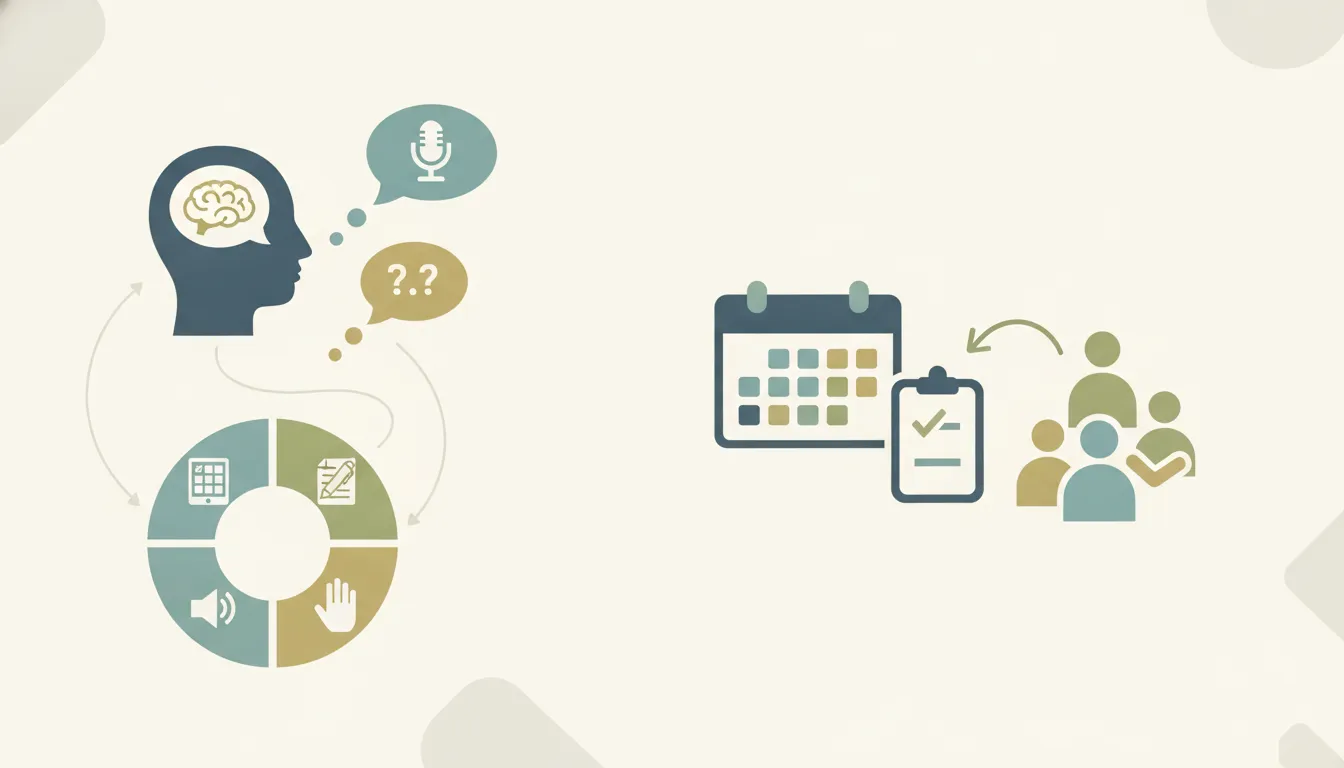
AAC for Williams syndrome is not one device or a fixed communication plan. It is a way to explore supports that may help a person express messages across daily life, alongside speech, gestures, writing, or other communication. The useful starting point is the individual: what they want to communicate, how they currently communicate, what situations matter, and what tools they can access comfortably.
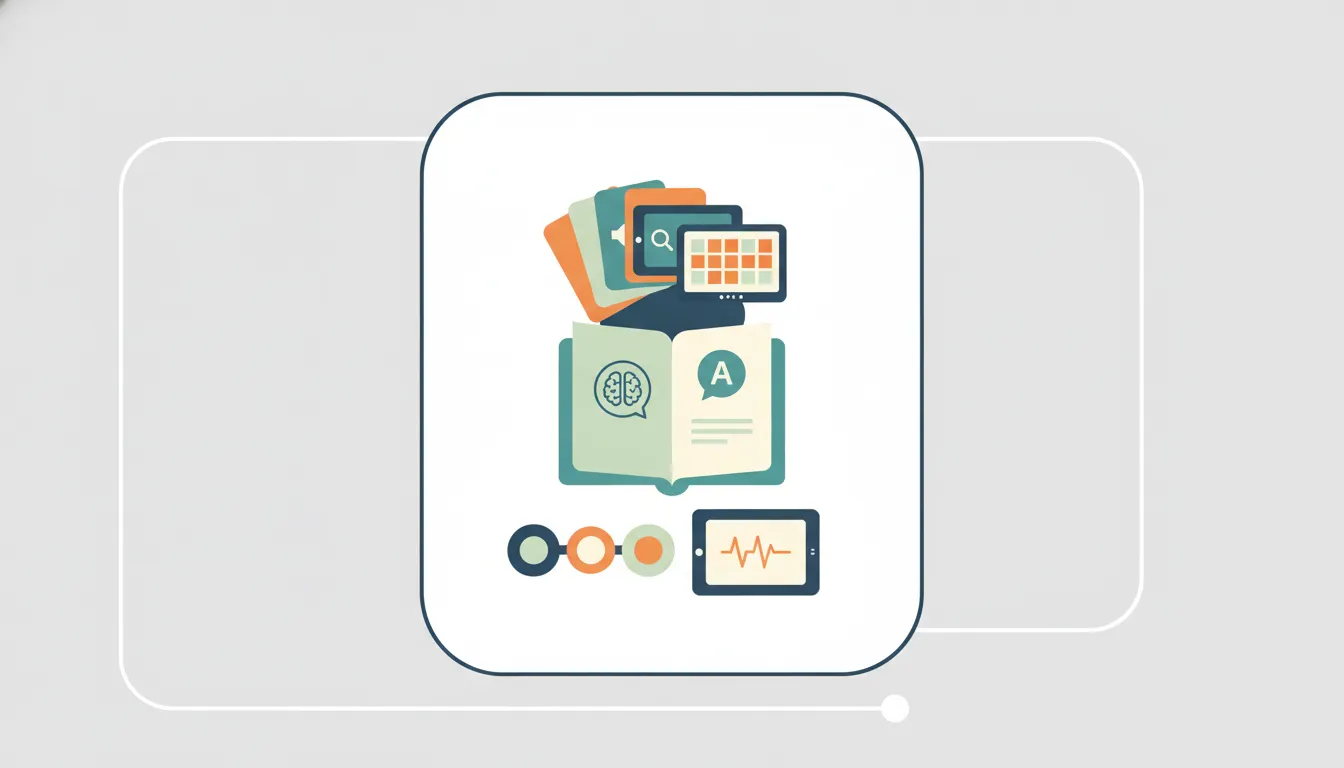
Augmentative and alternative communication (AAC) includes unaided methods, such as gestures, and aided tools, such as picture boards or speech-generating devices. A diagnosis can help a team ask informed questions, but it does not determine a person's language, preferences, learning, motor skills, or best access method. Assessment and device selection depend on the individual. No particular device or approach can promise a specific communication outcome.
What should a conversation about AAC for Williams syndrome begin with?
Begin with the person's own communication priorities, not a product list. Ask the person, family, and people who know their routines what is working, what feels difficult, and what they wish they could say more easily. Communication goals may include making choices, sharing ideas, asking questions, telling someone to stop, participating in a class or activity, or connecting with friends and family.
These are possibilities to discuss, not a checklist that every person must meet. A person may communicate differently with different partners or in different settings. They may use speech at some times and benefit from another method at other times. The goal is to recognize all communication and make it easier for the person to convey messages that matter to them.
Ask what the person wants to say
Offer ways to contribute to the planning conversation. Depending on their preferences, the person might answer verbally, point, select pictures, use a device, write, gesture, or indicate yes and no. Allow enough time for responses. Avoid assuming that a person has nothing to say when a response is not immediate or does not take the form a listener expects.
Useful questions include:
Which daily activities do you want to take part in more fully?
What messages do you find hard to get across?
How do you prefer people to offer choices or ask questions?
What communication tools do you already use and enjoy?
Are there situations in which communication feels tiring, rushed, or frustrating?
Questions should be adapted to the person. A caregiver or clinician can help make them accessible, but should not answer on the person's behalf when the person can express a preference.
Describe the communication environment
Talk about where communication happens: home, school, work, appointments, community activities, or online interactions. Note who is present, how noisy or busy the setting is, what the person is trying to do, and how much time partners allow. This information can guide an evaluation more usefully than a general description such as “needs help communicating.”
For example, a person may want a quick way to make a choice during a meal, a larger vocabulary for conversation with friends, or a reliable way to ask for clarification during a group activity. Those needs may call for different supports or a combination of supports. An SLP and other assistive-technology professionals can help assess options in context.
How can a team describe current communication?
Make a practical inventory of communication rather than focusing only on what is difficult. Record the words, sounds, gestures, facial expressions, signs, pictures, writing, and devices the person uses. Include how familiar and unfamiliar partners understand those messages. This can reveal useful strengths and situations where a backup or additional method may help.
A simple observation note can include the following:
- Situation:
What was happening, and where?
- Message:
What did the person seem to be communicating?
- Method:
What did they do or use?
- Partner response:
What did the communication partner do next?
- Result:
Was the message understood, clarified, or left unresolved?
- Person's preference:
Did the person appear comfortable with the method and interaction?
Keep observations descriptive. Instead of writing “was noncompliant,” note the observable event: “turned away after two questions and later pointed to the door.” Instead of assuming a device message was understood, record whether the partner confirmed the meaning. These details help a team consider context without assigning intent prematurely.
Notice variation across the day
Access and communication can vary with fatigue, attention, health, sensory demands, motor effort, familiarity, and the pace of a conversation. A method that works in a quiet one-to-one activity may be harder in a crowded room. Include examples from more than one routine and time of day, while avoiding the expectation that a person must demonstrate every skill on demand.
Also note what helps. A visual choice, extra wait time, a predictable turn-taking routine, or a familiar communication partner may make a meaningful difference to participation. The team can use these observations to plan evaluation questions. They should not treat a single observation as proof that one device or access method is right.
Which access methods are worth discussing?
Access means how someone selects or produces a message. It may involve direct touch, a switch, eye gaze, a head pointer or mouse, or another method. A person may also use unaided communication or combine several approaches. The relevant question is not which method is most advanced; it is which options can be assessed for comfortable, dependable use in the situations that matter.
When discussing access, consider positioning, reach, vision, motor control, fatigue, accuracy, setup time, and the person's preferences. Ask whether a method is workable across more than one setting and whether it can be adjusted as needs change. Device features vary, and not every model supports every app or accessory. A qualified SLP or assistive-technology specialist can help evaluate configurations rather than assuming compatibility.
Direct touch
Touch access may suit a person who can reach and select screen targets with useful accuracy and comfort. During an evaluation, discuss screen size, target spacing, positioning, and whether a keyguard or other accessory might be considered. A keyguard can change how a screen is accessed, so fit and compatibility need to be checked for the specific device and communication software.
Observe selections in real activities, not only a brief demonstration. Does the person reach the intended area? Can they maintain a comfortable position? Is the screen stable? Can they correct a selection or navigate between messages? These are questions for assessment, not prerequisites the person must satisfy before being offered communication support.
Switch access
Switch access may be considered when a person can make a consistent movement but direct screen selection is not practical or preferred. A switch can be positioned and configured in different ways, and the selection pattern may involve scanning through choices. Discuss what movement is comfortable, how much effort selection takes, and what support is needed to use the method in daily routines.
Do not infer that a person understands or does not understand a message solely from the speed or precision of a selection. Allow sufficient time, check the person's intended message, and distinguish the physical act of selecting from the language and communication decisions involved.
Eye gaze and other access options
Eye-gaze systems and head-mouse approaches may be appropriate topics for evaluation when they fit a person's abilities and preferences. Factors can include seating, head stability, lighting, calibration, visual comfort, and the amount of time needed to select a message. These methods require an individualized trial; no particular access approach is right for everyone with the same diagnosis.
Some speech-generating devices are designed with specific access features. Forbes AAC's ProSlate family is iOS-based and includes an eye-gaze variant; WinSlate is Windows-based and has model-specific touch, switch, head-mouse, and eye-access configurations. Those descriptions are not a clinical recommendation. A team should verify the exact model, software compatibility, accessories, and funding requirements before making a decision.
How should the team think about vocabulary?
Vocabulary should support meaningful communication, not just requesting. A person may need words for people, places, activities, opinions, feelings, questions, humor, social connection, and unexpected events. The right vocabulary depends on the person's language, interests, routines, age, culture, and communication goals. Discuss how a system can provide both frequently used messages and room to create new messages.
Ask whether the person can communicate messages such as “I don't know,” “I changed my mind,” “tell me more,” “that is funny,” “I need a break,” or “I want to talk about something else.” These examples are prompts for discussion, not required words. A system that only covers basic needs may not support conversation or self-advocacy in the way the person wants.
Include words for more than predictable routines
Routine-specific messages can be helpful, but communication also includes comments and questions that are not predictable. Consider how the person can talk about a new experience, respond to a partner's idea, disagree, repair a misunderstanding, or start a topic. A team can review whether the vocabulary arrangement allows access to core words and personally relevant words without making every new message dependent on an adult editing the system.
At the same time, avoid overloading a person with a vocabulary layout that is difficult to navigate. Discuss organization, symbol or text presentation, language needs, and how the person can find messages. A trial can help the team see what is accessible and where changes are needed. The aim is to evaluate an arrangement with the person, not to assume one vocabulary system suits everyone with Williams syndrome.
Keep the person's interests and identity visible
Personalized vocabulary can reflect hobbies, favorite people, community, and cultural or language preferences. Involve the person in choices wherever possible. If photos, names, or personal details are used, consider privacy and consent, especially when devices move between settings or are shared for evaluation.
Vocabulary should be revisited. Interests change, routines change, and the person may want to communicate new ideas over time. Identify who can make edits, how changes will be discussed with the person, and how to avoid removing messages that remain important. A plan should make updates possible without making the person dependent on one partner to communicate.
What should an AAC evaluation and trial clarify?
An evaluation is an opportunity to understand the person's goals and compare supports in relevant activities. It is not a test of whether the person deserves communication access. The SLP and other professionals can consider communication, language, access, positioning, settings, and partner support, with the person and family involved in decisions.
Before a trial, agree on questions that can be observed. For example: Can the person locate preferred messages? Can they use the system to initiate as well as respond? What happens when a partner misunderstands? Does the setup travel to the settings where it is needed? What training do communication partners need? A trial should make it easier to compare options, not pressure the person to perform or demonstrate a predicted outcome.
Clarify who is requesting and managing the trial
Trial pathways have different eligibility and conditions. A licensed SLP may borrow evaluation equipment for sessions, with standard terms of up to four weeks and the device remaining with the SLP. A home trial is initiated by the user's SLP after an insurance benefits check and coverage confirmation. A separate evaluation kit is a conditional loan of SoundPOD, FlexABLE, and limited keyguards for eligible SLPs or facilities that already have an iPad; it is not ownership of a speech-generating device.
Ask who can request the equipment, where it may be used, how long it can be kept, which accessories are included, and how it must be returned. Availability and program details can vary. The 24–48-hour timing described for a home-trial code begins after coverage is confirmed; it is not a delivery estimate. These distinctions help families and clinicians plan without treating every “trial” as the same program.
Agree on a way to compare options
Keep a short record of the same kinds of observations for each option. Note the activity, access method, amount of assistance, time to prepare, communication opportunities, and the person's comfort and preference. Include partner feedback, but do not let convenience for others replace the person's perspective.
A comparison is useful when the alternatives are tested in reasonable, relevant conditions. If one setup is unfamiliar or poorly positioned, that may affect the observation. Discuss how the team will provide instruction and practice, and whether there is enough time to evaluate the system fairly. Findings guide decisions; they do not guarantee a particular result or obligate the person to use one approach forever.
How can communication partners make AAC useful?
Communication partners influence whether a person has time, access, and genuine opportunities to communicate. A device alone does not make a conversation accessible. Partners can keep the person's communication system available, model how it can be used, wait for responses, and respond to all communication attempts with respect.
Make room for the person to lead
Offer choices that are real and honor the person's answer.
Pause after asking a question; avoid filling every silence with another prompt.
Respond to communication attempts, including gestures, facial expression, speech, and device use.
Model messages on the person's AAC system during natural conversation, without requiring imitation.
Check meaning when uncertain rather than pretending to understand.
Include comments, questions, and social exchanges, not only requests.
Modeling means showing how a communication system can express a message while speaking naturally. It should not become a demand that the person copy the partner. Partners can model a short, relevant message and then continue the activity, leaving space for the person to communicate in their own way.
Plan for communication repair
Misunderstandings happen in conversation. Agree on a respectful way to repair them: repeat, rephrase, offer a choice of interpretations, or give the person another way to clarify. Avoid repeatedly asking “What?” without offering a path forward. When possible, ask the person how they want others to respond if a message is unclear.
Partners should also recognize refusals and requests to stop. A person needs a way to disagree, change their mind, or signal that they do not want to continue. These messages matter in therapy, education, health care, and everyday relationships.
How do families and clinicians share the work?
Families and caregivers can bring detailed knowledge of daily routines and the person's preferences. SLPs and assistive-technology professionals can assess communication and access options, organize a trial, and help plan vocabulary and partner strategies. Educators and other regular partners can explain the demands of their settings and help ensure the system is available there.
Share observations in a way that respects the person's privacy and choices. Decide which information is useful to the evaluation and who needs to see it. If communication supports are used across home, school, and community settings, agree on a practical method to keep vocabulary and partner approaches consistent without requiring every person to do everything exactly alike.
When considering a speech-generating device, distinguish clinical evaluation from purchasing and funding. Forbes AAC describes a clinician-led evaluation and trial pathway, alongside sales-assisted direct-pay quotes and payer-specific funding documentation. Funding, eligibility, and device requirements vary; no insurance or public-payer coverage should be assumed. Ask the evaluator and funding specialist what documentation applies to the person's situation.
What is this guide—and what is it not?
This guide offers questions for a respectful conversation about communication supports for a person with Williams syndrome. It is not a diagnostic tool, an individualized AAC assessment, a clinical recommendation, or a promise that any device, app, vocabulary layout, or access method will produce a particular result. People with the same diagnosis can have different strengths, needs, preferences, and communication goals.
Use the ideas here to prepare for an evaluation and to notice what happens in real routines. The person should be included in decisions as much as possible. Revisit the plan as preferences, environments, and communication needs change.
Frequently asked questions
Does Williams syndrome determine which AAC system a person should use?
No. A diagnosis does not identify one suitable device or method for every person. Assessment should consider the individual's communication goals, preferences, access, environments, and supports.
Can AAC be used alongside speech?
AAC can include aided and unaided methods and can be used alongside speech. The person and their team can discuss how different communication methods fit their goals and routines.
Should vocabulary focus only on requesting?
No. Requests may be useful, but the person may also want to comment, ask questions, share opinions, tell stories, disagree, or connect socially. Vocabulary should reflect the person's priorities.
Does a device trial guarantee that the device will be funded?
No. A trial and a funding decision are distinct. Funding depends on the applicable payer requirements and documentation, and no approval outcome should be promised.
Who should help assess access methods?
An SLP and other qualified assistive-technology professionals can help evaluate access options with the person and their support network. The exact team and process depend on the individual's situation.
A good next step is to bring the person's communication priorities and a few observations from everyday routines to an SLP or assistive-technology professional, then decide together what to assess.

Comments